Lord Balfour and the Power of Art

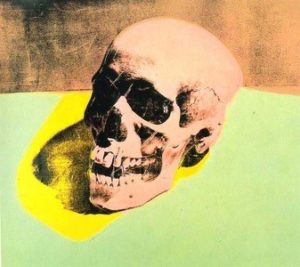
Artworks are powerful conveyors of ideas and values. They demonstrate that cultural artifacts are one place where the rubber hits the road, as it were, with respect to how images and ideas relate. In these protests, art’s power to propound ideas and embody values is being used as a weapon to oppose certain events and ideas some find objectionable.

Aesthetic Thinking

As human beings we have an extraordinary ability to think scientifically, to disassemble the world mathematically, to come out of ourselves and solve problems objectively. But we also have the concomitant subjective faculties of contemplation, appreciation, and reflection.

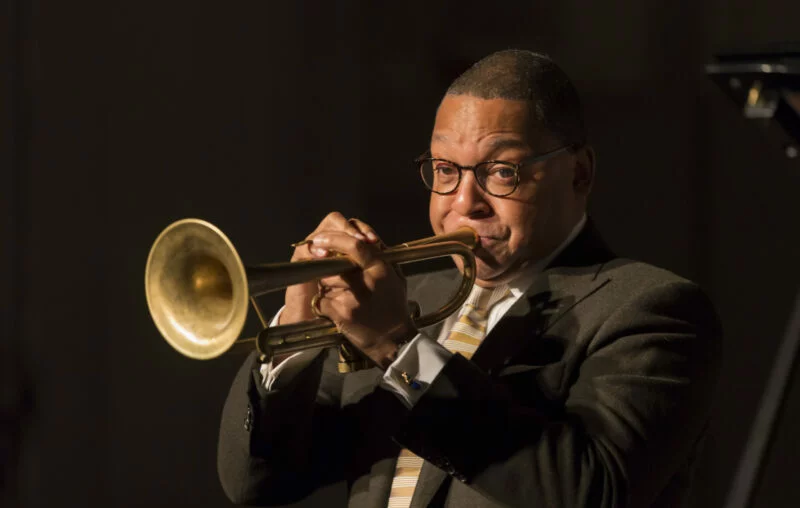
A Review of Wynton Marsalis’s Moving to Higher Ground

The artistic and creative personae of a performer or composer is a manifestation of his entire life experience, everything that he has listened to, and his basic constitution, and his personality. Whereas in the hard or social sciences we care little about the person who discovers a truth, because it is “out there,” with the arts, we wish to know about the painter or composer, because it comes from “inside,” it is of “them.”

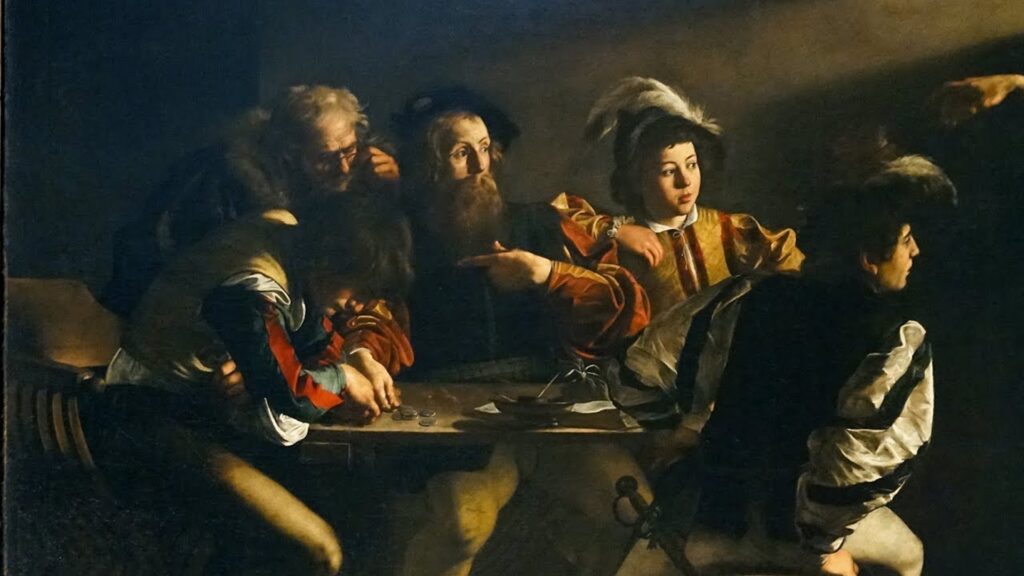
A Multi-Layered Drama

Thus past, present and future converge to create an artwork whose meaning is immediately accessible but whose spatial and semantic depth successfully merge to produce one of the greatest works of art ever created.

Front and Center: The Place for Classical Music in the Curriculum

Music in the academy is at risk. The decline in its status, presence, and reach can be traced to the cultural shifts beginning in the 1960s. Western classical music—with its unassailable history of accomplishment and undeniable pedagogical, cultural, and spiritual significance—has fallen prey to the assault on standards and hierarchies embodied by the era’s ethos of: “Hey-hey, ho-ho, Western Civ. has got to go.”